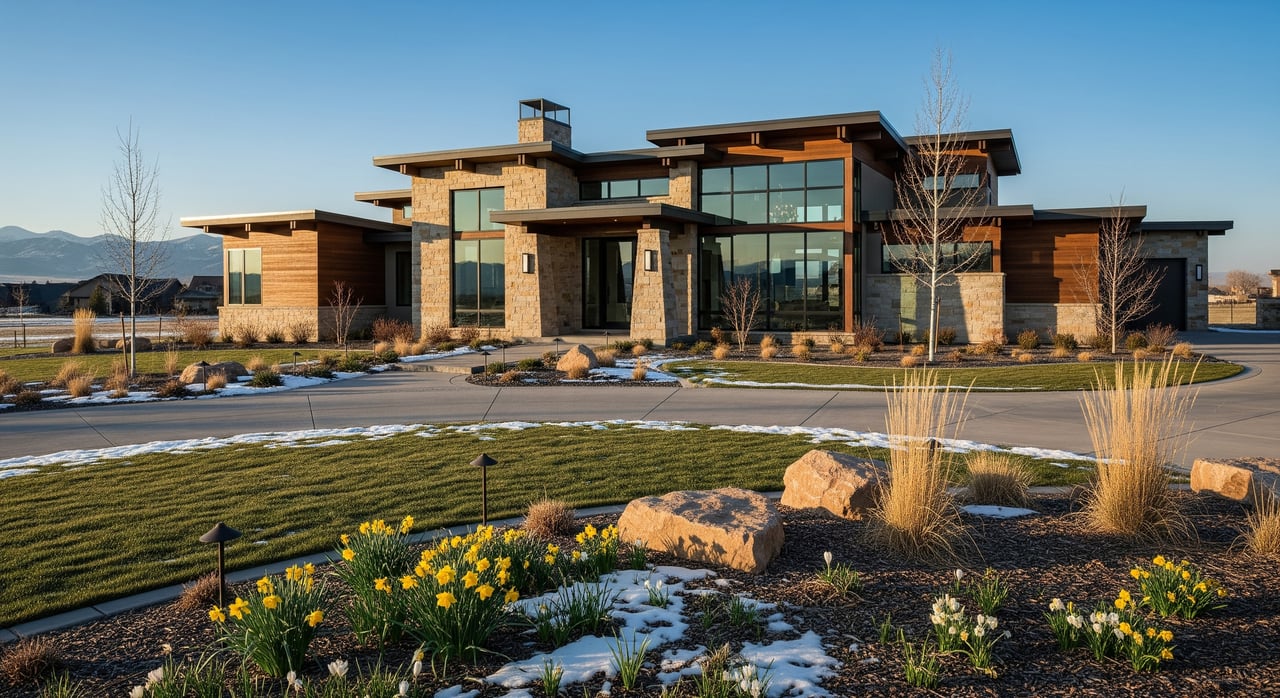
Thinking about a move in Greeley and wondering when the timing will work in your favor? You are not alone. Seasonality shapes how much inventory you will see, how fast homes sell, and how much leverage you have at the table. This guide breaks down Greeley’s month-by-month rhythm, what it means for you as a buyer or seller, and how to plan with confidence. Let’s dive in.
Greeley’s year-round rhythm
Greeley follows a familiar Front Range pattern that repeats most years. The biggest swings show up in spring and winter, with summer and fall acting as transition seasons. While mortgage rates and local jobs can dial those swings up or down, the overall rhythm is steady enough to plan around.
- Spring (March to June): New listings climb fast, buyer traffic jumps, and days on market shrink. Sellers usually hold the strongest position. Buyers get the most choice but face the most competition.
- Summer (July to August): Demand stays solid, though late July and August can soften as people travel and prep for school. It is a good window if you missed spring and still want strong exposure.
- Fall (September to November): Listings slow and the buyer pool thins. Motivation goes up on both sides. Buyers often see less bidding pressure, and sellers benefit from realistic pricing and targeted marketing.
- Winter (December to February): Inventory and showings hit yearly lows. Motivated buyers gain leverage, but selection is tight. Sellers should plan for fewer showings and price with care.
What drives seasonality in Greeley
Greeley’s trends line up with broader Front Range dynamics, yet a few local factors give the market its own cadence.
Local jobs and UNC influence
Employment in agriculture, energy, manufacturing, and healthcare affects demand. Hiring or shifts in these sectors can nudge buyer activity up or down. The University of Northern Colorado also shapes timing for rentals and smaller homes near campus as semesters start and end.
Weather and showing logistics
Winter snow and mud can limit showings and dampen curb appeal. Spring landscaping is a real advantage in Greeley yards, so plan outdoor updates early. If you are buying in winter, expect slower touring and longer market times, which can help your negotiations.
Price tiers and property types
Entry-level homes tend to draw steady demand year-round. Higher-priced and luxury properties often see the strongest response in spring, then longer market times in winter. Farms, ranches, and rural properties in Weld County can follow their own schedule tied to crop cycles, grazing, and farm income timing.
New construction competition
Builders typically release more inventory in spring and summer. If you are selling a resale home near new subdivisions, you will want a clear presentation strategy to compete on value, finish quality, and move-in readiness.
Agricultural and rural timing
For agricultural land and rural homes, serious buyers often plan around planting, irrigation schedules, and harvest. If you are selling, coordinate disclosures and showings so buyers can evaluate seasonal systems like water rights, fencing, and pasture condition.
Buyer timing strategies
You can buy successfully any month of the year in Greeley. Your best path depends on whether you value choice or leverage more.
Spring buying playbook
Spring brings the most options and the fastest pace. Prepare before you shop so you can act with confidence.
- Get a strong pre-approval and proof of funds.
- Set clear boundaries on price, contingencies, and timing.
- Use fast alerts for new listings. Tour early, then write promptly.
- Discuss bidding strategies that fit your comfort level and the property.
Summer tactics
Summer stays active but can feel less frenetic by late July and August. If you lost out in spring, this can be a second chance.
- Revisit homes that returned to market or adjusted price.
- Look closely at resales competing with new builds nearby.
- Negotiate timing around vacations and back-to-school schedules.
Fall and winter playbook
Fall and winter offer fewer competing buyers and more room to negotiate. The trade-off is smaller selection.
- Watch days on market and price reductions for leverage.
- Ask for closing cost credits or repairs when appropriate.
- Be flexible on closing dates to appeal to motivated sellers.
Seller timing strategies
You can list in any season, but your plan should match buyer behavior and local inventory.
If you can list March to June
Spring delivers peak exposure and faster sales in many segments. Prep early so you can hit the market as it opens up.
- Complete landscaping touch-ups and minor repairs by late winter.
- Stage key rooms and schedule professional photos on a bright day.
- Launch with a compelling listing package balanced between web, social, and in-person showings.
Listing in late summer or fall
You will see fewer buyers than in spring, but motivation is higher. Pricing strategy and presentation matter more.
- Price to the market, not above it, and aim to be the value leader.
- Lean on targeted marketing, weekend open houses, and robust online tours.
- Highlight lifestyle benefits like proximity to services and functional layouts.
Listing in winter
Expect fewer showings and longer time on market, yet serious buyers are out there. Make your home easy to say yes to.
- Price competitively and watch weekly market feedback.
- Showcase winter-ready systems and energy efficiency.
- Keep paths clear, lights bright, and interiors warm and inviting.
Seller checklist
- Request a current comparative market analysis that factors in the last 3 to 6 months and seasonal trends.
- Consider a pre-listing inspection and complete simple fixes.
- Plan your concession strategy for inspection and appraisal questions.
- Use staging, professional photography, and a dedicated listing microsite to stand out from both resales and nearby new construction.
The metrics that matter in Greeley
Tracking a few monthly indicators will help you time your move and set the right expectations.
- New listings and active inventory. These show your level of choice and how much competition sellers face.
- Pending and closed sales. These confirm demand and the pace of deal flow.
- Median price and list-to-sale price ratio. These reflect pricing power and negotiation trends.
- Days on market. Short DOM often signals strong buyer demand.
- Months of Inventory, or MOI. Calculate MOI as active listings divided by monthly sales. Benchmarks: seller’s market below 3 months, balanced around 3 to 6 months, buyer’s market above 6 months.
- Price reductions. The share of listings with cuts typically rises in late fall and winter.
- Showing activity and permits. Showings per listing can signal momentum early, while building permits hint at new supply coming.
For clarity, look at the last three years by month and compare the current year to those seasonal averages. This reveals patterns and helps you separate normal seasonality from big shifts like changing mortgage rates.
Life events and financing factors
School calendar moves
Many buyers and sellers target moves that settle by late summer to align with the school schedule. Plan your list date and closing timeline so you can pack and hand off keys without rushing.
Job transfers and relocations
If you are moving for work, coordinate your start date with realistic escrow timing. Most contracts take 30 to 45 days to close, and you should add buffer for appraisal or title steps.
Mortgage rates modulate the seasons
Rates can either amplify or cool seasonal swings. In higher-rate periods, spring still brings more activity, yet prices and speed can feel more muted. Let current inventory and MOI guide your expectations.
What this means for your move
There is no single perfect month for every buyer or seller in Greeley. Instead, match your goals to the season. If you want choices and speed, aim for spring. If you want leverage and calmer negotiations, look to late fall or winter. Either way, pair good timing with clear pricing, standout presentation, and a data-backed plan.
If you would like a seasonal CMA, staging advice, or a buyer plan tuned to your timeline, reach out to Meagan Griesel. You will get neighborhood-first guidance, professional marketing, and a clear path from search to sold.
FAQs
Is spring always the best time to sell in Greeley?
- Spring usually brings more buyers and faster sales, but outcomes depend on your price range, inventory, and rates, so ask for a current seasonal CMA before you list.
Will selling in spring net a higher price in Greeley?
- List-to-sale ratios often improve in spring, yet condition, pricing, and local inventory drive results, so use recent three-year seasonal data to set expectations.
Is winter the best time to buy in Greeley?
- Winter can offer fewer competing buyers and more negotiating power, but selection is smaller, so decide whether leverage or choice matters more for your move.
How long from listing to moving should I plan for in Greeley?
- Many contracts close in 30 to 45 days, and sellers should allow time for inspection, appraisal, and title steps when planning move-out or a next-home purchase.
How do price reductions vary by season in Greeley?
- Price reductions tend to rise in late fall and winter as demand eases, so track the monthly share of reductions to spot softening segments.
Do different Greeley neighborhoods behave differently by season?
- Yes, new subdivisions, older central areas, and rural properties can show distinct timing and demand patterns, so segment your analysis by neighborhood and price band.