Craving a car-light lifestyle with coffee, culture, and dinner spots a short stroll away? If you are buying your first home, Downtown Loveland might be on your shortlist, but you want a clear picture of day-to-day living and what it will cost. You also need to weigh walkability and arts access against space, parking, and HOA rules. This guide breaks down the feel of the neighborhood, housing types, monthly cost factors, and how downtown compares to nearby suburbs so you can decide with confidence. Let’s dive in.
What downtown Loveland feels like
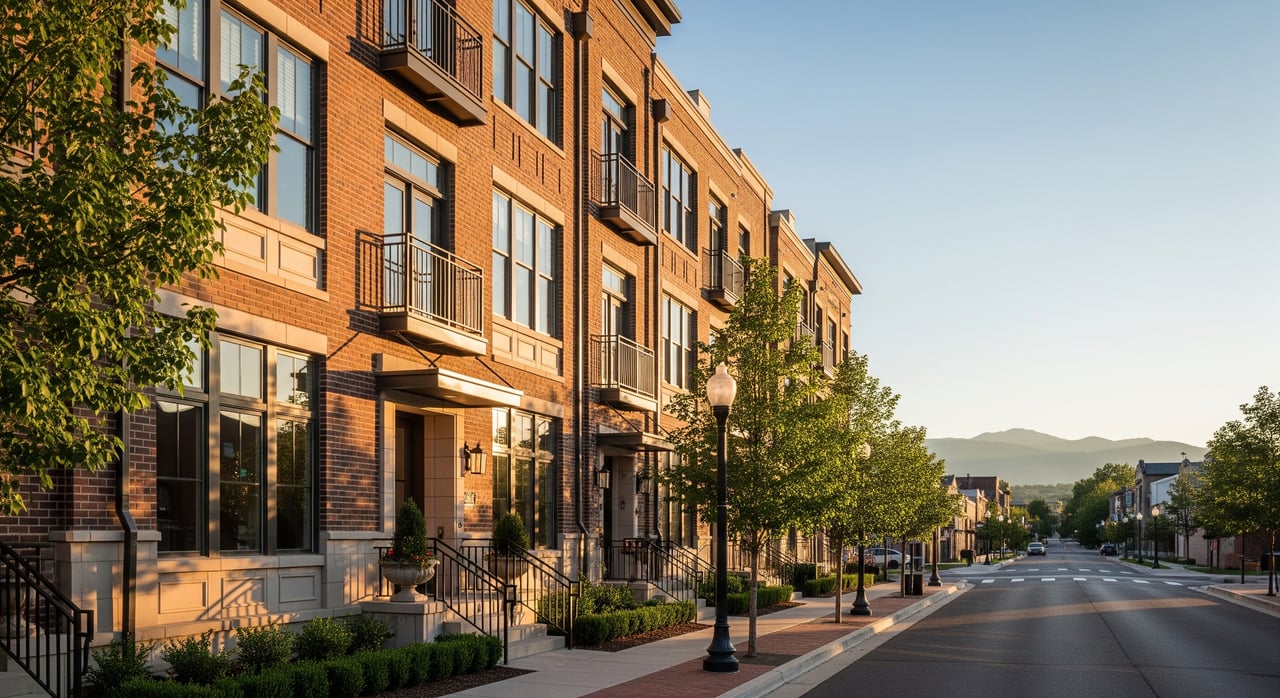
Downtown Loveland is the city’s compact historic and business core with a mix of galleries, public sculpture, restaurants, coffee shops, breweries, and small retailers clustered within walkable blocks. For this guide, think of the core 8 to 10 blocks centered around Lincoln Avenue and 4th Street, sometimes referred to locally as Downtown Heights. Streets are shorter and more pedestrian oriented than surrounding neighborhoods, and you will see a mix of small storefronts, civic buildings, and residential options.
You will notice more activity throughout the day and evening, especially around dining and arts venues. Daily errands and entertainment can often be done on foot, which is a major draw. Municipal lots and on-street parking are common, and private driveways are less typical than in suburban areas.
Who tends to choose downtown
Downtown living often appeals to buyers who value convenience and local amenities over yard size. You might prioritize quick access to dining, arts, and events, plus a shorter commute within Loveland or to nearby job centers. If you prefer lower exterior maintenance and like the idea of a lock-and-leave lifestyle, the core can be a strong fit.
If you want a larger private yard, more storage, and multiple dedicated parking spaces, nearby suburbs usually offer those features more readily. The key is to match your daily routine and budget to the right setting.
Home types you will find
Condos and modern infill
Condominiums range from newer infill buildings with modern finishes to historic conversions with character and smaller floor plans. Condos are typically part of a homeowners association. You own the unit and share common areas that the HOA maintains.
Townhomes and small-lot homes
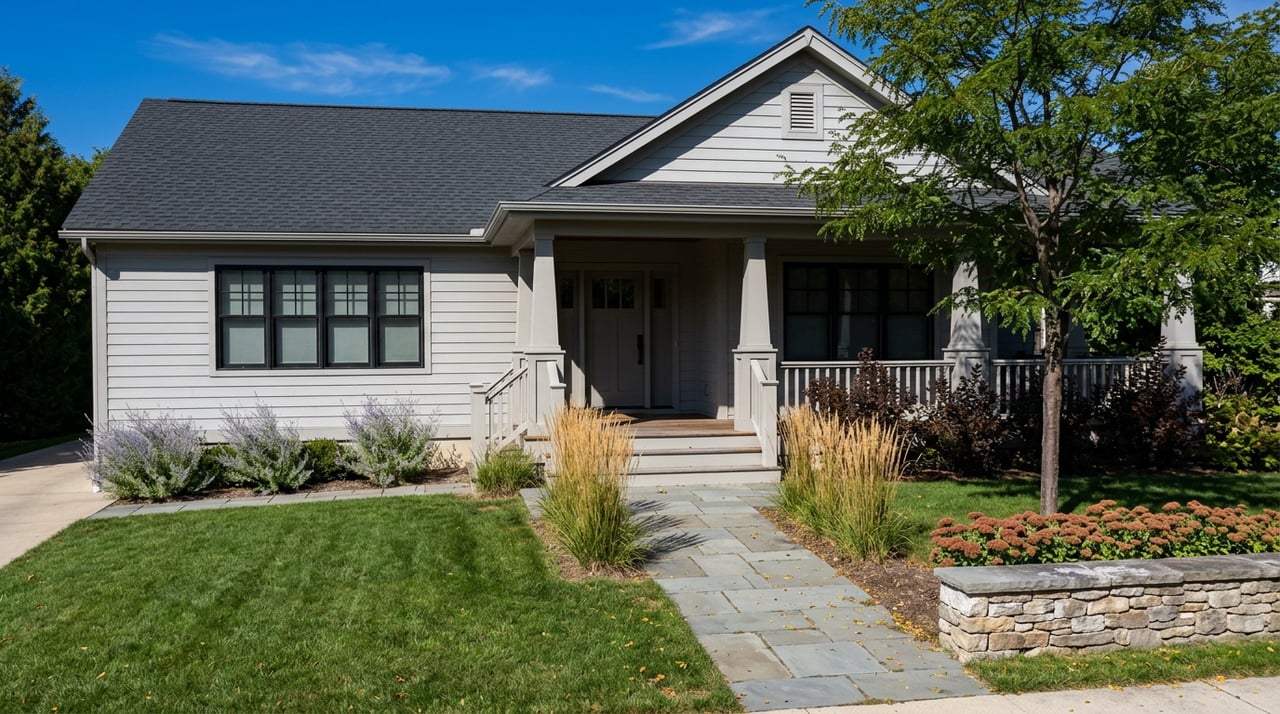
You will also find townhouses and small-lot single-family homes, including bungalows and craftsman-style houses near the core. Some are fee-simple, while others are in small HOAs. These options can offer a little more privacy than condos while keeping you close to downtown amenities.
Live/work and flats above retail
Mixed-use buildings with residential units above retail are part of downtown’s fabric. These can be efficient spaces with great access to shops and services. Expect vertical living and limited private outdoor space.
What to expect inside
- Smaller square footage than many suburban homes, often studios to two bedrooms.
- Limited private outdoor areas, such as balconies or small patios.
- Vertical layouts with stairs or elevator access. Consider accessibility needs.
- Parking that may be assigned, in a shared lot, or on-street rather than a private driveway.
Money matters: your total monthly cost
Buying downtown is about more than the purchase price. To build a realistic monthly picture, consider the following.
Price and price per square foot
Prices can vary widely by building age, unit size, parking, and recent renovations. A smart move is to review neighborhood-specific comps from the past 3 to 6 months and compare price per square foot in downtown condos or townhomes with single-family homes in nearby suburbs. This helps you see what you are getting for your budget.
HOA dues and what they cover
Condo buildings and some townhome communities have monthly HOA dues. These can include exterior maintenance, common area insurance, landscaping, trash, and sometimes shared utilities like water. Ask for the current budget, reserve fund balance, and recent board meeting minutes. If a building has limited reserves or a history of special assessments, that can affect affordability.
Parking and potential fees
Older buildings may not include deeded parking. Others offer an assigned garage space, a covered spot, or access to a shared lot. Confirm whether your unit includes a space, whether street parking requires permits, and how guest parking works. If you have two cars or frequent visitors, parking policies matter.
Insurance and utilities
Condo owners carry an HO-6 policy for the interior and personal liability. The building’s master policy typically covers the structure and common elements. Ask your insurance agent to review the HOA’s policy so you know exactly what your HO-6 should include. Also check how utilities are billed, since some are bundled into dues while others are metered to the unit.
Parking and HOA red flags checklist
Use this quick checklist when you review listings and disclosures:
- Deeded parking: Is there a deeded space or garage for the unit? If not, what are your options and costs?
- Guest parking: Are there guest spaces and clear rules for visitors?
- Street permits: Do you need a city permit for on-street parking near the building?
- HOA reserves: Does the reserve fund look healthy for the building’s age and systems?
- Special assessments: Any recent or planned assessments you should factor into your budget?
- Rules and policies: Review pet policies, rental or short-term rental rules, noise restrictions, and common area use.
- Maintenance scope: What exterior items and common utilities are covered by the HOA versus the owner?
Walkability, transit, and commuting
On foot
The downtown core generally rates well for walkability, with restaurants, coffee shops, galleries, and services in close reach. Still, walkability can vary block by block, so preview specific addresses and assess sidewalks, lighting, and crossings.
Bikes and scooters
Many downtown areas support bike travel with racks and bike-friendly streets. If bicycling is part of your routine, ask about secure bike storage in the building and test-ride common routes.
Transit and driving
Transit stops are typically located near the core, and regional routes may be accessible. If you commute to Fort Collins or the Denver metro, check current drive times using traffic apps during your actual commute hours. This helps you calibrate expectations.
Downtown vs suburbs: trade-offs to know
Downtown advantages
- High walkability and immediate access to dining, arts, and local events.
- Lower exterior maintenance for many condos and some townhomes.
- Proximity to civic amenities and cultural venues.
- A good match if you prioritize lifestyle convenience over yard size.
Suburban advantages
- Larger homes and private outdoor space are more common.
- Easier parking with driveways and garages.
- Often more square footage for the same or lower price per square foot, depending on market conditions.
- A good match if you want space for hobbies, storage, or pets that benefit from a yard.
Sample buyer profiles
- The Weekend Explorer: You thrive on walkable dining and arts access and want minimal exterior maintenance. Downtown likely fits.
- The Space Seeker: You want a bigger home, yard, and simple parking for multiple cars. A Loveland suburb probably suits you better.
- The Low-Maintenance Planner: You prefer newer systems, an HOA that handles exterior care, and predictable costs. Newer downtown condos or townhomes can be ideal.
Is it a fit? Quick decision checklist
Ask yourself these questions:
- Do I value walkability more than private outdoor space?
- Am I comfortable with an HOA’s rules and monthly dues?
- Will parking arrangements work for my household and guests?
- Does a smaller interior with efficient storage fit my lifestyle?
- Do I want a location near local events and dining, even with more activity at night?
- Would a suburban home’s space and parking better match my needs?
Your next steps with a local guide
- Tour at different times: Visit weekday evenings and weekends to gauge noise, parking availability, and foot traffic.
- Request HOA documents early: Review the budget, reserves, rules, and any assessments before you get attached to a unit.
- Verify parking: Confirm whether a space is deeded, assigned, or permit based, and how guest parking works.
- Get a downtown comps report: Ask for recent comparable sales within the core blocks to understand pricing and days on market.
- Clarify insurance and utilities: Match the HOA’s master policy with your HO-6 coverage and confirm which utilities are in dues.
Ready to explore the core, compare it with nearby suburbs, and see what fits your budget and lifestyle? Connect with a local advisor who knows the buildings, HOAs, and micro-markets. Reach out to Meagan Griesel to schedule a downtown tour, review HOA packages, and get a neighborhood-specific market analysis.
FAQs
How do HOA dues and parking affect affordability in Downtown Loveland?
- HOA dues, special assessments, and parking fees can materially change your monthly payment, so review the HOA budget, reserves, and parking details before you make an offer.
What home types are common for first-time buyers in Downtown Loveland?
- You will mostly see condos, townhomes, and mixed-use flats, plus some small-lot single-family homes near the core, often with smaller floor plans and limited private outdoor space.
How does walkability downtown compare with Loveland suburbs?
- The downtown core generally offers higher walkability to dining, arts, and services, while suburbs typically require more driving but provide more space and easier private parking.
What should I review in condo HOA documents before I buy?
- Focus on monthly dues, reserve funding, special assessments, pet and rental policies, parking rules, and maintenance responsibilities to avoid surprises after closing.
How do I check schools and attendance zones near Downtown Loveland?
- Downtown addresses are served by Thompson School District; verify the exact attendance zones and school reports directly with the district for the property you are considering.