Buying your first downtown storefront can feel exciting right up until the questions start piling up. Can your business actually use the space the way you want, will the building need more work than expected, and does owning make more sense than leasing in Downtown Loveland? If you are looking at owner-user storefronts in this part of Larimer County, you need more than a quick tour and a mortgage quote. You need a practical read on the district, the rules, and the real costs. Let’s dive in.
Why Downtown Loveland Feels Different
Downtown Loveland is not a typical retail corridor. The city identifies it as the historic commercial core centered on East 4th Street, generally bounded by Railroad Avenue and Jefferson Avenue, with a two-block span of Railroad Avenue included.
That historic setting matters when you buy. The district was listed in the National Register of Historic Places in 2015, and the city’s downtown design standards were created to help preserve the area’s character, scale, and sense of place. In plain terms, that means changes to a storefront often require more thought than they would in a newer commercial center.
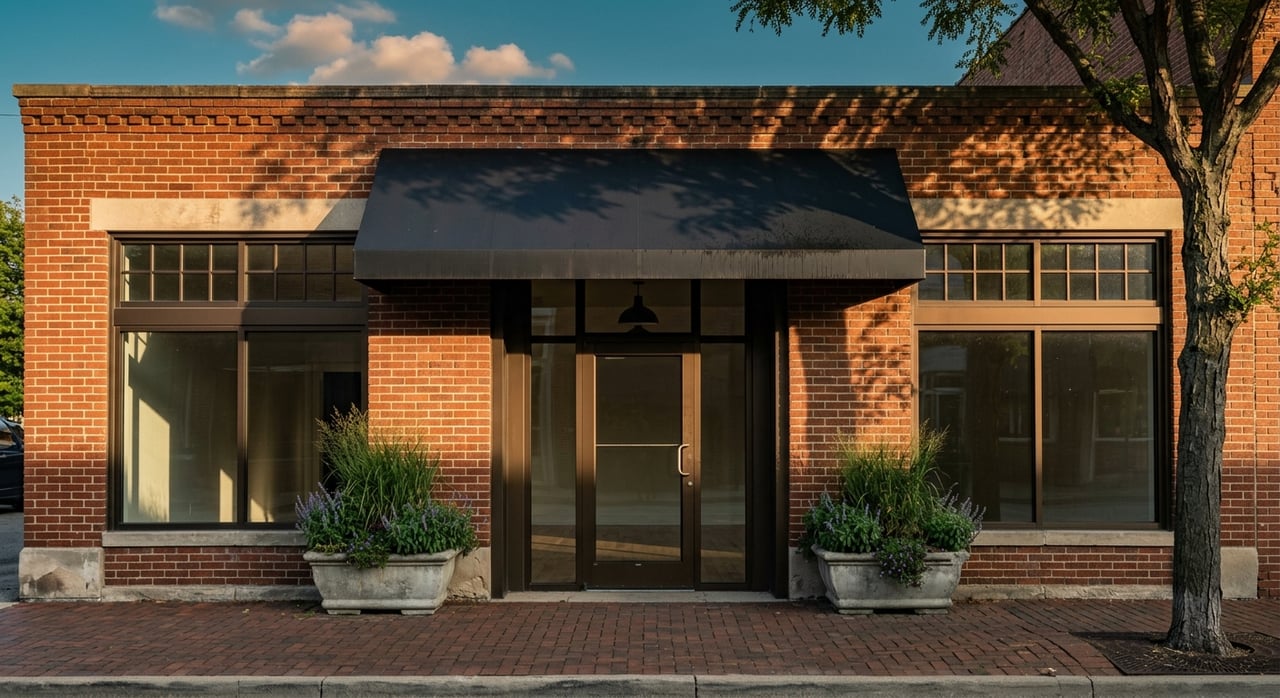
Most downtown buildings are one- and two-story commercial structures that were built and modified over many years. Many sit right up against the sidewalk and share similar materials, scale, and proportions. Street-level storefronts have often seen the most alteration over time, so buyers should pay close attention to facade condition, windows, entrances, and how visible the ground floor really is.
What Owner-Users Should Check First
Before you fall in love with a brick facade or a corner location, focus on how the space fits your actual business. A beautiful storefront is only useful if the layout, frontage, approvals, and improvement costs line up with your plan.
Start With Your Business Fit
Think about how your business will operate day to day. If you need strong walk-in traffic, wide storefront visibility, or room for outdoor seating, those details should shape your search from the start.
Downtown Loveland includes a mix of retail shops, restaurants, art galleries, offices, banking, workspace, and other commercial uses. That variety is a plus, but it also means one block may function very differently from the next. Some blocks support destination shopping, some capture lunch traffic, and others feel quieter and more service-oriented.
Look Closely at the Ground Floor
The ground floor does a lot of heavy lifting in a downtown storefront. Because historic storefronts were often altered over time, what looks charming at first glance may hide issues with windows, entries, signage placement, or visibility from the sidewalk.
As you tour properties, look at:
- Window size and condition
- Entry placement and accessibility
- Sightlines from the street
- Existing awnings or facade elements
- Sidewalk width in front of the property
- Whether the storefront supports your customer flow
These are not just cosmetic details. They can affect your renovation budget, your city approval path, and your ability to attract customers.
Know the Downtown Rules Before Closing
One of the biggest mistakes first-time buyers make is assuming they can figure out permits and approvals after closing. In Downtown Loveland, that can get expensive fast.
Zoning and Design Standards Matter
Downtown storefronts are governed by downtown-specific rules, including the Downtown DT Zone, the Downtown BE-Zone, and a separate Downtown Sign District. The city’s approach is tied closely to preserving the district’s historic character.
That does not mean improvement is off limits. It does mean your plans need to work with the building and the district. If you are planning exterior updates, signage, an awning, or a more visible storefront redesign, you should understand the review process before you remove contingencies.
Sidewalk Use Has Limits
Outdoor seating, planters, umbrellas, and signage can be part of downtown activity, but the public right-of-way comes with rules. Permanent encroachments require a revocable encroachment permit.
The city also requires at least six feet of unobstructed pedestrian space. Where diagonal parking is present, there must also be two feet of curb clearance. If your concept depends on a patio, waiting area, or sidewalk sign, measure the actual usable sidewalk before you commit.
Awnings and Signs Need Special Attention
Awnings must attach to the building wall and require a building permit. Signage is also more restricted downtown than in many other commercial areas.
Portable sidewalk signs on a city sidewalk require a revocable encroachment permit. Several sign types are not allowed in the Downtown Sign District, including:
- Feather flags
- Large inflatables
- Pennant strings
- Swing post signs
- Yard signs
- Lighting on portable sidewalk signs
- Lighting on construction fence signs
If branding and visibility are central to your business model, this is worth reviewing early. A sign strategy that works in another part of town may not work here.
Plan for a Multi-Step City Process
If you expect to close and open quickly, build in more time than you think you need. The city recommends treating a new business as a multi-department process.
Depending on the property and use, that may involve:
- Sales tax setup
- Utilities
- Building permit or remodeling review
- City clerk items where relevant
- Fire code and occupancy
- Planning and zoning
- Economic development
- Signage approval
If your business will sell taxable goods or services and has physical presence in Loveland, the city requires a regular sales tax license. Service-only businesses are generally not required to license.
This is one reason pre-closing due diligence matters so much. You are not just buying a building. You are buying into a process, a location, and a set of operating rules.
Financing an Owner-User Storefront
For many first-time commercial buyers, financing is where the picture gets real. The most relevant SBA options for an owner-user storefront are often the 7(a) loan and the 504 loan.
SBA 7(a) and 504 Basics
SBA states that 7(a) loans can be used to acquire, refinance, or improve real estate and buildings, with a maximum loan amount of $5 million. Real-estate-related portions can carry terms up to 25 years, plus construction or improvement time.
The SBA 504 program is designed for long-term, fixed-rate financing of major fixed assets, including existing buildings, land, and improvements to existing facilities, with a maximum loan amount of $5.5 million. The program generally does not allow speculative or rental real estate investment activity.
Occupancy Rules Shape Your Search
For owner-occupied SBA real estate financing, the applicant or operating company must occupy at least 51% of the rentable property. That is a key rule for first-time buyers looking at mixed-use or partially leased buildings.
A property may look attractive because it has extra space or another tenant in place, but the deal still needs to meet owner-occupancy requirements. If you are considering a building larger than your current needs, make sure the financing structure supports that plan.
What the 504 Structure Can Look Like
SBA 504 materials show a common project structure of roughly:
- 50% from a third-party lender
- Up to 40% from the CDC or SBA debenture
- At least 10% from the borrower
That does not make every deal simple, but it helps explain why many owner-users explore SBA-backed financing when they want a long-term business location.
Lease or Buy in Downtown Loveland?
This is the question many first-time buyers are really asking. The answer depends on your business stability, your capital reserves, and how confident you are in the location and use.
Leasing usually keeps upfront capital lower. Buying can make sense when your business is stable enough to meet occupancy requirements, you want a long-term downtown address, and you can absorb the higher transaction and improvement costs that often come with a historic district property.
A simple rule of thumb is this: buy when your business can live with the district’s long-term visibility, historic-character rules, and likely capital costs. Lease when you still need flexibility.
How to Judge Foot Traffic the Smart Way
A lot of buyers visit once, usually around lunch, and assume they understand the block. Downtown Loveland deserves a more careful approach.
Parking Shapes Customer Patterns
The city offers two-hour on-street parking from 8 a.m. to 6 p.m., free daytime parking in the downtown garage, and three-hour city lots. The city also coordinates event-specific parking plans, which can change how visitors move through downtown.
This matters because a storefront’s success is often tied to convenience and turnover. Easy short-term parking may help some businesses, while event traffic or evening activity may matter more for others.
Events Can Change the Story
The Downtown District reported more than 60 events in Foundry Plaza during its 2024 One Sweet Summer series. That kind of programming can create meaningful spikes in pedestrian activity.
For a buyer, the takeaway is simple: do not measure foot traffic at one moment and call it done. A block can feel quiet on a weekday morning and far more active during an evening event or weekend peak.
Visit at Several Times
A better due-diligence routine is to check the block during:
- Weekday mornings
- Lunch hours
- Saturday afternoons
- Evening event windows
- Seasonal festival periods
While you are there, watch where people enter and exit, how long they stay, and which neighboring businesses seem to pull attention. Raw foot count matters, but traffic quality matters too.
Watch the Neighbor Mix
Neighboring uses can help or hurt your concept. A block with restaurants, shops, galleries, and steady pedestrian movement may support one kind of business, while a quieter office-oriented stretch may support another.
The goal is not just to find a storefront. It is to find a block that matches your customer habits. If your business depends on impulse visits, evening visibility, or destination traffic, the surrounding uses should support that pattern.
Do Not Overlook Facade Improvement Potential
For value-add buyers, downtown exterior condition deserves a close look. The Loveland Downtown District’s facade program is aimed at visible improvements on downtown buildings and can reimburse up to $31,250, subject to annual appropriation and board approval.
That does not remove the need for careful budgeting, but it can change the math on the right property. If you are comparing a polished turnkey space with one that needs visible exterior work, this program may be worth factoring into your analysis.
A Practical First-Time Buyer Checklist
If you are serious about buying a Downtown Loveland storefront for your own business, keep your due diligence simple and grounded.
Use This Pre-Offer Checklist
- Confirm the property fits your business use and size needs
- Check whether your business can occupy at least 51% if using owner-user SBA financing
- Review the block’s traffic at multiple times and days
- Measure actual sidewalk width if outdoor seating or signage matters
- Review signage and awning restrictions before planning branding changes
- Evaluate facade, windows, and ground-floor visibility closely
- Ask what permits or city reviews your intended improvements may trigger
- Budget for both purchase costs and likely improvement costs
- Consider whether leasing would give you better flexibility right now
Buying your first storefront downtown is a big move, but it can be a smart one when the property, financing, and business plan truly line up. If you want help sorting through Downtown Loveland owner-user opportunities with a local eye for block-by-block fit, historic-district realities, and long-term value, connect with Meagan Griesel.
FAQs
What makes Downtown Loveland storefronts different from newer retail spaces?
- Downtown Loveland storefronts sit in a historic commercial district with design standards focused on preserving character, scale, and compatibility with existing buildings.
What should a first-time buyer check before buying a Downtown Loveland storefront?
- You should review zoning, signage rules, sidewalk use limits, building condition, visibility, likely improvement costs, and whether the space fits your business operations.
What are the sidewalk and patio rules for Downtown Loveland storefronts?
- Outdoor features in the public right-of-way may require a revocable encroachment permit, and the city requires at least six feet of unobstructed pedestrian space plus two feet of curb clearance where diagonal parking exists.
What signage restrictions apply in Downtown Loveland?
- Downtown storefronts follow a separate sign district, and some sign types are not allowed, including feather flags, large inflatables, pennant strings, swing post signs, and yard signs.
Can a first-time buyer use SBA financing for a downtown storefront?
- Yes, SBA 7(a) and 504 programs may work for owner-user purchases, but the business must generally occupy at least 51% of the rentable property.
Is it better to lease or buy a storefront in Downtown Loveland?
- Leasing may offer lower upfront costs and more flexibility, while buying may make sense if your business is stable, can meet occupancy rules, and is ready for the costs of a historic district property.
How should a buyer evaluate foot traffic in Downtown Loveland?
- You should visit the block at different times, including mornings, lunch, weekends, and event periods, because parking patterns and downtown events can change pedestrian activity significantly.