Thinking about buying in Greeley but not sure where to start? You are not alone. Between neighborhood styles, price differences, and commute choices, it can feel like a lot to sort through. In this guide, you will see how Greeley’s main areas compare, what typical prices look like right now, and the tradeoffs to weigh so you can move with confidence. Let’s dive in.
Greeley at a glance
Greeley’s citywide median home price sits around $425,000, with typical listings taking about 72 days to go under contract. That points to a more balanced market with room to negotiate compared with recent years (Realtor.com Weld County market snapshot).
If you are comparing Northern Colorado cities, Greeley is generally more affordable than nearby Fort Collins and Loveland:
- Fort Collins median: about $539,900 (Realtor.com Fort Collins market page)
- Loveland median: about $500,000 (Realtor.com Loveland market page)
Neighborhood medians inside Greeley vary quite a bit. West Greeley’s newer areas trend higher (around $479,000), while central and older neighborhoods show lower medians (around $380,000). The University District often lands near $402,000. These are useful starting points as you shape your search (Realtor.com Greeley neighborhood overview).
Where to look by lifestyle
West Greeley and new builds
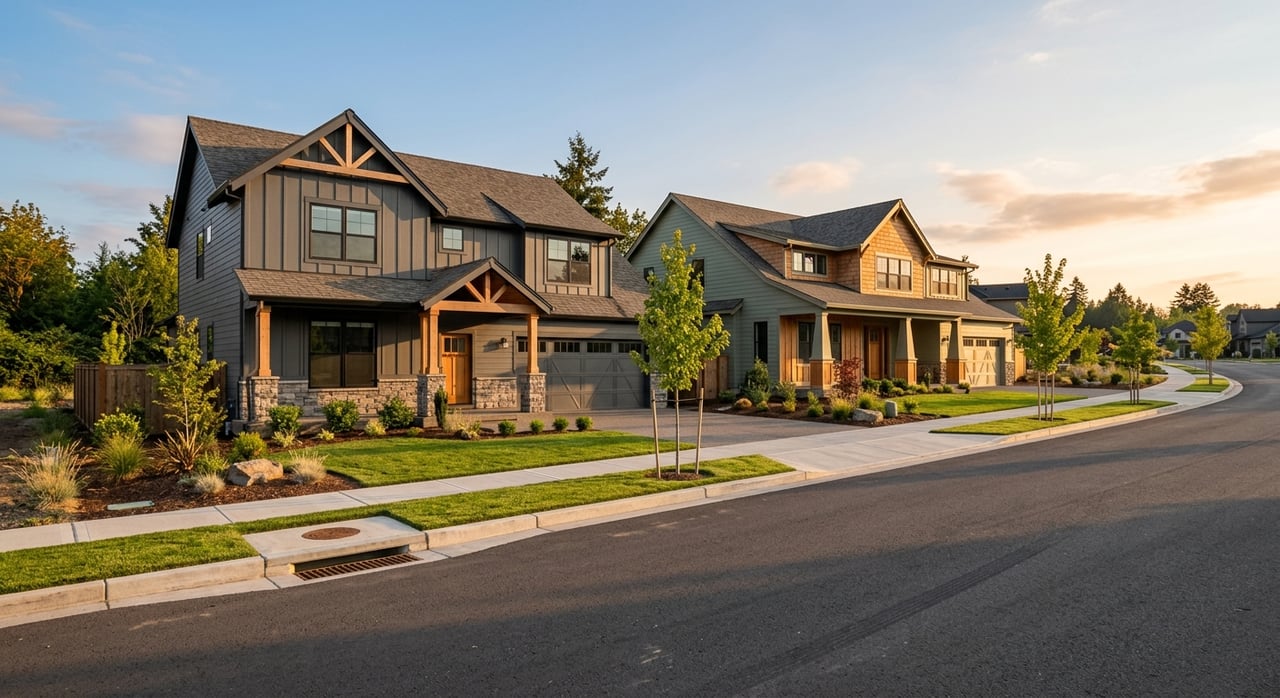
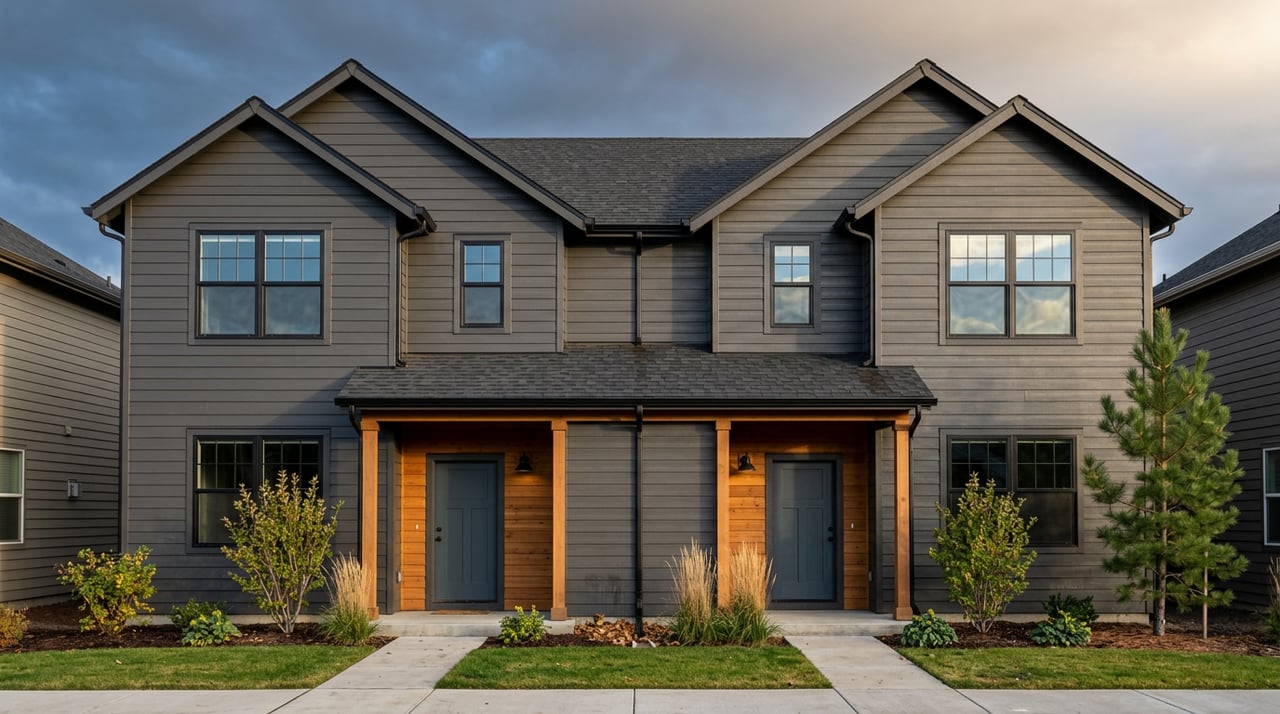
You will find newer subdivisions, master-planned amenities, and modern floor plans across West Greeley, with areas like Kelly Farm, Northridge, and West Point. Newer or premium sections can push into the mid six figures. Expect some new-construction pricing to start in the high $400s and go higher for larger homes or upgraded lots (Realtor.com Greeley neighborhood overview).
Best for: buyers who want move-in-ready finishes, community pools or trails, and a bit more yard or garage space.
Central, Old Town, and the University District
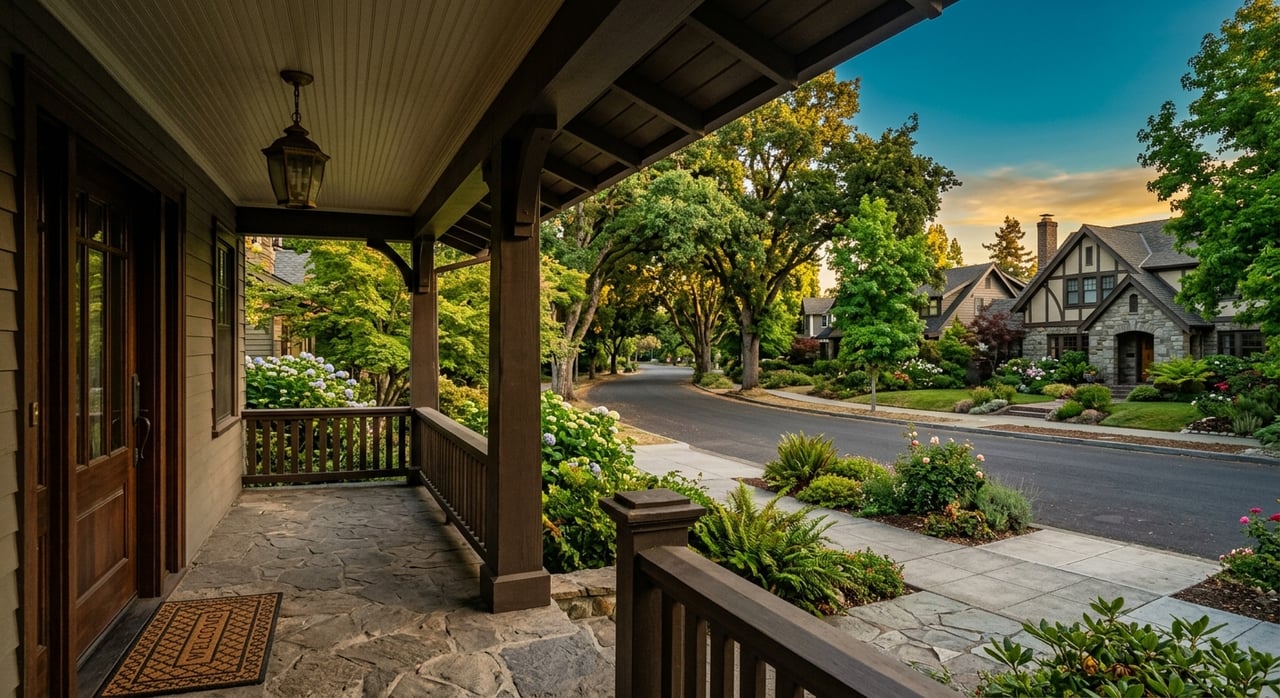
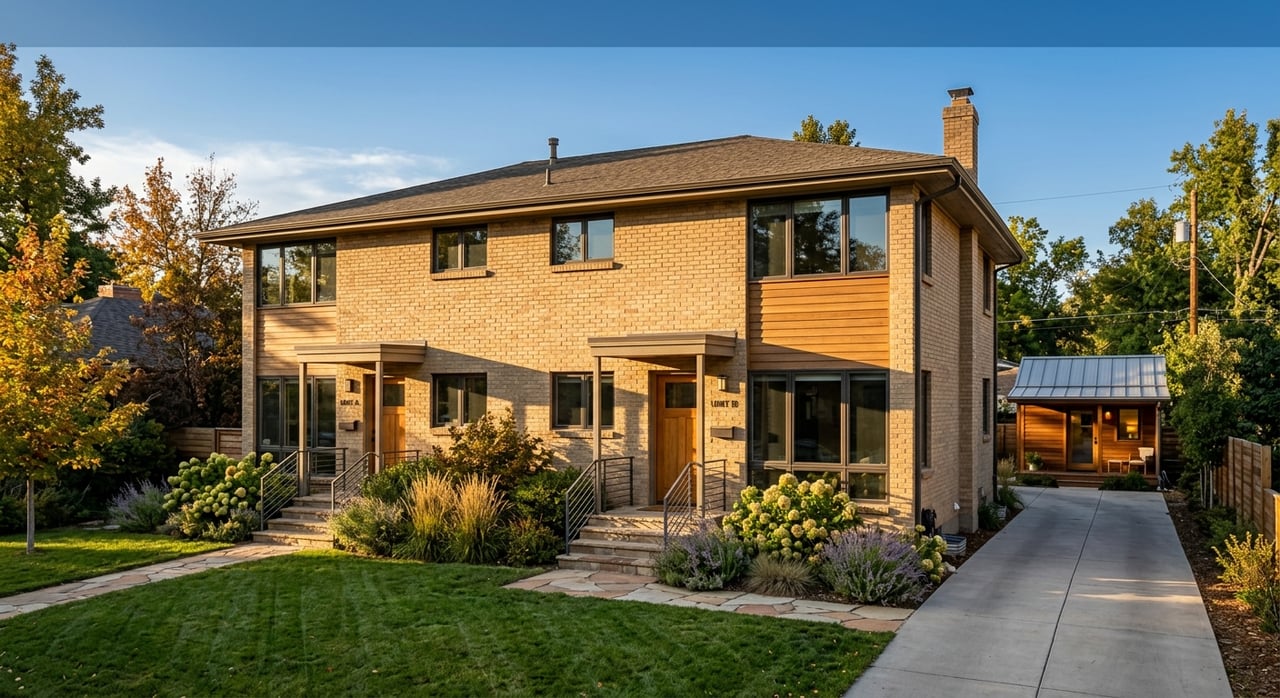
Closer to downtown and the University of Northern Colorado, you will see older homes, smaller lots, and a walkable grid. The mix includes historic bungalows, mid-century ranches, and small multifamily. Central medians tend to sit below West Greeley, but updates, lot size, and condition can swing pricing a lot (Realtor.com Greeley neighborhood overview).
Best for: short drives to restaurants, shops, and campus. If you are considering a rental near UNC, be sure to check local zoning, HOA rules, and parking guidelines.
Bittersweet, Kelly Farm, and established suburbs
These established areas offer parks, community pools, and a range of 1970s to 1990s homes. You will see ranches, tri-levels, split-levels, and two-story plans that often provide solid lot size for the price. Neighborhood guides highlight the appeal of local parks and amenities (Livability neighborhood overview).
Best for: buyers who like mature landscaping and established community features.
Country Club and premium enclaves
Near the Greeley Country Club and in a few small higher-end pockets, homes trend larger and above the city median. Expect established streetscapes and mature trees. These areas suit buyers who prioritize space and a quieter neighborhood feel.
Evans and East Greeley value pockets
Evans, just south of Greeley, and parts of East Greeley often price below the Greeley citywide median. They deliver value on purchase price with tradeoffs that can include older housing stock, smaller lots, or longer drives to some amenities (Realtor.com Weld County market snapshot).
Best for: first-time buyers or anyone prioritizing lower monthly costs.
Commute and connectivity
Greeley sits on US 85 and US 34 with regional access in several directions. Plan for about 32 miles and roughly 40 to 50 minutes to Fort Collins, depending on route and traffic (Travelmath drive distance: Greeley to Fort Collins). Drives to the Denver metro core are typically around 55 to 62 miles and about 1 to 1.25 hours, but conditions vary.
Local transit is available through Greeley–Evans Transit (GET), with fixed routes, UNC connections, and paratransit service. Inter-regional services link the Northern Colorado corridor, though most commuters still drive (Greeley Bicycle Master Plan and GET references).
Pro tip: test your specific address and commute times in a mapping app during peak morning and evening windows.
Schools and boundaries
Greeley–Evans School District 6 serves a large and diverse student population throughout the city and Evans. Programs such as Early College Academy and magnet options exist, and district planning materials note enrollment and instructional priorities. Because boundaries and offerings can change, verify the current attendance area for any specific address and review campus-level information before you buy (District 6 profile and planning documents, Homes.com school lookup).
Use neutral data points and direct school sources to guide your decision. If you have a priority program or school in mind, confirm eligibility and transportation details early in your search.
Jobs and long-term demand
Greeley’s economy blends agribusiness, health care, education, and government. Major employers include JBS, Banner Health and North Colorado Medical Center, Greeley–Evans School District 6, Weld County, and the University of Northern Colorado (Greeley overview and major employers). Food manufacturing and processing are strong regional drivers as well. For example, Leprino Foods operates a large Greeley facility that anchors skilled production jobs (Leprino Foods Greeley plant).
What this means for you: local institutions and employers help support steady housing demand. Pair that with Greeley’s relative affordability compared with Fort Collins and Loveland, and you have a market with practical entry points and potential upside if regional job growth continues.
Tradeoffs to weigh
- First-time value: Evans and East Greeley often deliver the lowest entry prices. Weigh older homes or longer drives against lower monthly costs (Realtor.com Weld County market snapshot).
- New build convenience: West Greeley concentrates newer construction and amenities. Expect higher prices in exchange for modern layouts and low-maintenance living (Realtor.com Greeley neighborhood overview).
- Urban access: Central and University District areas trade yard size for proximity to downtown and campus. If rental income is part of your plan, review zoning and HOA rules well before you write an offer.
- Commute vs price: Greeley’s pricing advantage compared with Fort Collins and Loveland is meaningful. Balance that savings with the drive time your lifestyle can absorb (Realtor.com Fort Collins market page, Realtor.com Loveland market page).
Next steps
Every buyer’s map looks a little different. If you want a clear, neighborhood-first plan that fits your price point, commute, and goals, let’s build it together. Reach out to Meagan Griesel for a custom Greeley buying strategy backed by up-to-the-minute market data and on-the-ground insight.
FAQs
What are typical home prices in Greeley right now?
- The citywide median is about $425,000, with listings taking around 72 days to go under contract (Realtor.com Weld County market snapshot).
Which Greeley neighborhoods have newer homes and amenities?
- West Greeley areas like Kelly Farm, Northridge, and West Point concentrate newer builds and master-planned features, with higher median prices than central neighborhoods (Realtor.com Greeley neighborhood overview).
How does Greeley compare with Fort Collins and Loveland on affordability?
- Greeley is generally more affordable, with Fort Collins near $539,900 and Loveland around $500,000 for medians, compared with Greeley’s ~$425,000 (Realtor.com market pages).
What commute times should I expect from Greeley?
- Plan for roughly 40 to 50 minutes to Fort Collins and about 1 to 1.25 hours to Denver’s core, depending on route and traffic (Travelmath drive distance).
How can I check school boundaries before I buy in Greeley?
- Use District 6 resources to confirm current attendance areas and review campus-level data from school information sites before making an offer (District 6 resource hub, Homes.com school lookup).