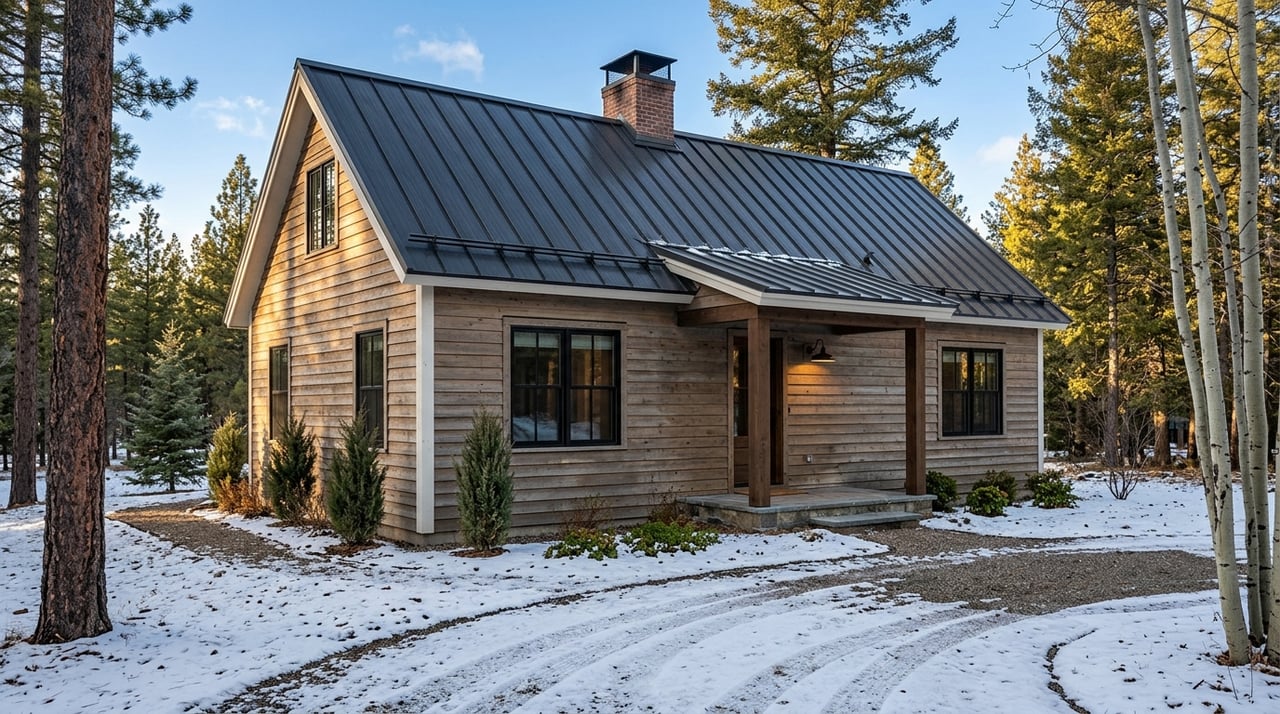
Dreaming about a quiet cabin escape in Red Feather Lakes? It can feel like a simple version of buying a house in town, but mountain properties often come with very different systems, rules, and year-round realities. If you are thinking about buying here, understanding those differences upfront can help you avoid surprises and choose a property that truly fits how you plan to use it. Let’s dive in.
Why Red Feather Lakes Feels Different
Red Feather Lakes is a mountain community in Larimer County at roughly 8,000 to 8,600 feet in elevation. The area has a long history of seasonal and vacation cabins, and county planning documents note that a large share of the housing stock is still used seasonally or recreationally.
That history matters when you shop for a home here. In a city neighborhood, you may expect public utilities, paved streets, and a more uniform setup from block to block. In Red Feather Lakes, each property can be a little different, so your due diligence needs to be more detailed.
Private Utilities Change the Buying Process
One of the biggest differences between a cabin in Red Feather Lakes and a city home is how utilities work. Larimer County says community water systems are limited in the area, with Fox Acres Country Club and High Country Estates as the main exceptions. Most other properties rely on individual wells or, in some cases, hauled water.
Wastewater can look different too. Instead of a city sewer connection, many cabins rely on septic or other on-site wastewater systems, and Larimer County notes that some older lots are too small to accommodate both a well and a conventional septic system.
What to Ask About Water
Before you fall in love with the view, make sure you understand the water source. The Colorado Division of Water Resources says every new well must have a permit, and those permit records can be reviewed.
A few smart questions to ask include:
- Is there a permitted well on the property?
- What does the well permit allow?
- Has the water been tested recently?
- If the home uses hauled water, how is storage handled?
Larimer County also offers drinking-water sampling for private wells and can help homeowners address water-quality problems. That makes water testing an important step, not an optional one.
What to Ask About Septic or Wastewater
City buyers are often used to a simple sewer bill and not much else. In Red Feather Lakes, you want to know exactly what type of wastewater system is in place and how it has been maintained.
Larimer County says conventional sewer systems are best suited to permanently occupied homes on lots large enough for a well and septic. The county also notes that vault systems are often more appropriate for seasonal cabins, and they require pumping when full.
Ask for:
- Septic or OWTS permit history
- The type of system installed
- Records of pumping or service
- Any recent repairs or upgrades
Larimer County requires permits before building or repairing a septic system, so those records can tell you a lot about how the property has been cared for.
Road Access Is Not a Small Detail
In town, you probably assume roads are publicly maintained and snow removal is part of daily life. In Red Feather Lakes, that assumption can get you in trouble.
Larimer County says it maintains certain main roads, but most local subdivision roads are not county-maintained unless the county has specifically accepted responsibility. Many local roads are instead maintained by adjacent owners, HOAs, or improvement districts, and access rights can vary from one subdivision to another.
Winter Access Needs a Real Conversation
Snow and ice are part of mountain living. Larimer County’s snow-and-ice program focuses on county roads and uses a priority system, but the county does not clear private driveways.
The county also advises residents to be prepared to clear windrows left by plows in front of driveways during storms. That may sound like a small issue, but it can affect your day-to-day life, especially if you plan to use the property full time or visit often in winter.
Here are the questions worth asking before you buy:
- Who maintains the road to the property?
- Who pays for grading, snowplowing, or repairs?
- Is the driveway plowed by a contractor?
- How easy is access for deliveries and emergency vehicles?
- Is winter access realistic for your intended use?
Mountain roads can be gravel, steep, narrow, or shaped by topography in ways you may not see in a typical city subdivision. That makes a road check just as important as a home inspection.
Wildfire and Insurance Need Early Attention
If you are buying in Red Feather Lakes, wildfire risk should be part of the decision from day one. Larimer County identifies wildfire as a significant and ongoing concern in the area because of fuel buildup, homes within the forest, and the threat to life and property.
The Red Feather Lakes Fire Protection District also emphasizes preparedness, evacuation routes, and post-fire safety. In other words, this is not a background issue. It is a core part of owning property in the area.
Insurance Can Look Different Here
Mountain buyers sometimes assume they can work out insurance after they go under contract. In a place like Red Feather Lakes, it is smarter to get pricing early.
The Colorado Division of Insurance advises homeowners to ask about estimated rebuild cost, wildfire defensible space, extended replacement cost coverage, and additional living expense coverage. Those details matter because replacement cost and risk exposure can differ quite a bit from what you may expect with a city property.
The Red Feather Lakes Fire Protection District says its ISO rating is 5 and its average response time is about 20 minutes. That does not replace an actual insurance quote, but it is another reason to treat insurance as an early due diligence item.
Defensible Space Matters
Colorado wildfire guidance recommends defensible space around the home. The Colorado State Forest Service describes three defensible-space zones and says homes built in pine forests should have a minimum 100-foot safety zone.
For you as a buyer, that means looking beyond the cabin itself. The surrounding trees, slope, lot layout, and maintenance needs all affect how the property functions and what it may cost to insure and maintain.
Short-Term Rental Rules Are More Complex
A lot of buyers picture offsetting cabin costs with short-term rental income. That can be possible, but you should verify the rules before you build your budget around it.
Larimer County says a short-term rental license is required before advertising or renting a home for 30 days or less. The county also requires renewal every other year, and STR licenses are generally not transferable when ownership changes.
Red Feather Lakes Has Location-Specific Rules
One of the most important details is specific to this area. Larimer County’s land use code says a short-term rental with a Red Feather Lakes address must be at least 250 feet from another short-term rental.
That means not every cabin that looks rentable will actually qualify. The county also requires approved and reliable water for firefighting, wastewater compliance, an operations manual, posted fire and emergency contact information, fire extinguishers, reliable communication for 911 calls, and a garbage storage and removal plan.
For non-owner-occupied rentals outside the Estes Valley area, the county requires a property manager within one hour or less of travel distance from the rental. If you are buying from out of area, that is a major planning point.
Seasonal Cabins Need a Different Mindset
Red Feather Lakes has deep roots as a seasonal-cabin community. That still shapes how many properties are built, used, and maintained today.
If you want a full-time home, focus on year-round function. That means thinking carefully about winterization, backup systems, road access, and whether the home is truly set up for permanent living.
If you want a second home, think about ease of shutdown and reopening. A cabin that works beautifully for weekend escapes may still need a plan for water systems, snow management, and monitoring when you are away.
Your Red Feather Lakes Buyer Checklist
When you compare a cabin here to a home in town, the due diligence list gets longer, but it also gets clearer. The goal is not to overcomplicate the purchase. It is to make sure the property matches your lifestyle, budget, and plans.
Start with these essentials:
- Review the well permit and recent water test
- Confirm septic or OWTS permit history and system type
- Verify who maintains the road and driveway
- Get an insurance quote that reflects wildfire exposure and rebuild cost
- Confirm whether the property is eligible for short-term rental use under current county rules
Buying in Red Feather Lakes can be incredibly rewarding, but it pays to look past the charm and ask practical questions early. That is often the difference between finding a cabin that is simply pretty and finding one that truly works for you.
If you are weighing cabins in Red Feather Lakes and want grounded, local guidance through the details, Meagan Griesel can help you look beyond the listing photos and focus on how a property will function in real life.
FAQs
What makes buying a cabin in Red Feather Lakes different from buying a city home?
- Cabins in Red Feather Lakes often have private wells, on-site wastewater systems, variable road maintenance, higher wildfire considerations, and stricter property-by-property checks than a typical city home.
What should buyers verify about water at a Red Feather Lakes cabin?
- You should verify whether the property has a permitted well, what the permit allows, and whether recent water testing is available.
What should buyers know about septic systems in Red Feather Lakes?
- Many properties use septic or other on-site wastewater systems instead of city sewer, so you should review permit history, system type, and service records before you buy.
How does road maintenance work for homes in Red Feather Lakes?
- Larimer County maintains certain main roads, but many subdivision roads are maintained by owners, HOAs, or improvement districts, so you need to confirm who handles access and snow removal for the specific property.
Can every cabin in Red Feather Lakes be used as a short-term rental?
- No. Larimer County requires a short-term rental license, and properties with a Red Feather Lakes address must also meet location and operational requirements, including spacing from other short-term rentals.
Why should buyers get insurance quotes early for Red Feather Lakes homes?
- Insurance costs and coverage options can be affected by wildfire exposure, rebuild cost, defensible space, and local response factors, so early quotes can help you understand the true cost of ownership.