If you love a day where your plans fit in your pocket and the best moments happen between storefronts, downtown Loveland delivers. You get short blocks, sidewalk patios, and a tight cluster of galleries and cafés that make it easy to park once and wander. Whether you’re visiting or scouting a future move, you can taste the local vibe and see what walkable living looks like here. Below is a simple, realistic way to enjoy art, eats, and a feel for nearby homes — all on foot. Let’s dive in.
Why downtown Loveland feels walkable
Human-scale blocks
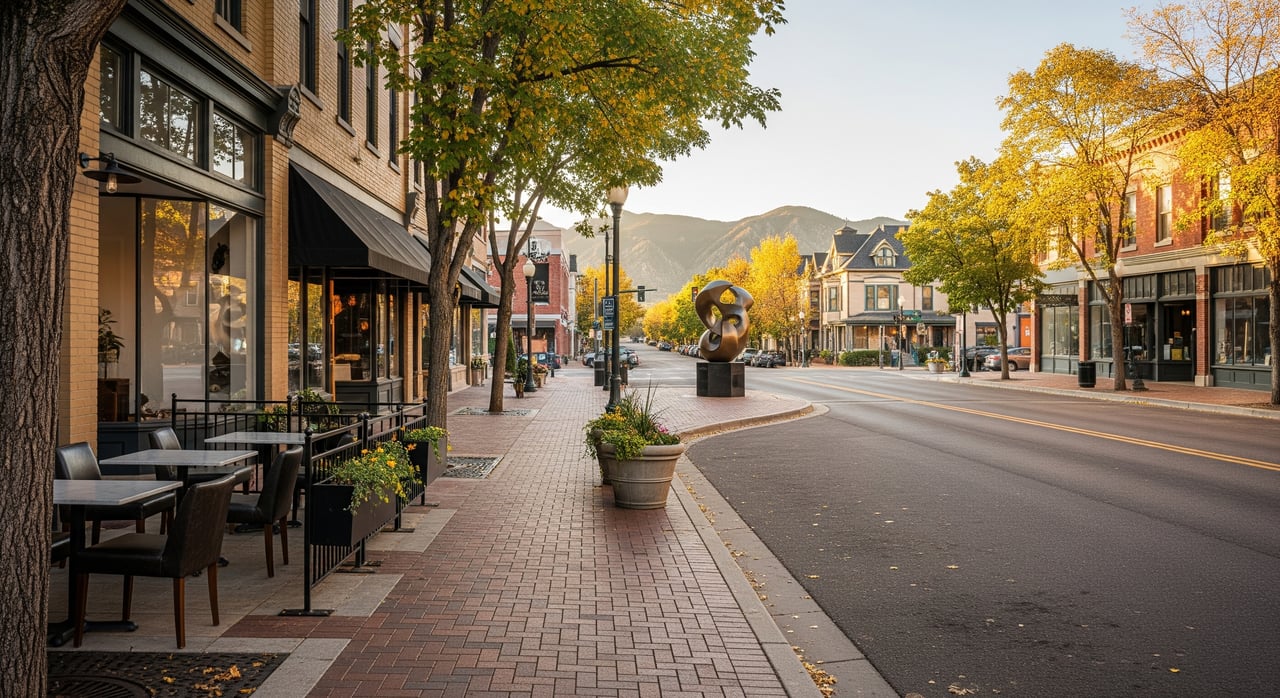
Downtown Loveland’s 4th–6th Streets corridor is compact and mixed-use, so you can move from coffee to galleries to lunch in minutes. Storefronts meet the sidewalk, and you’ll notice street trees, benches, and window displays that invite slow browsing. Crosswalks and curb ramps help keep the route smooth if you have a stroller or mobility aid.
Year-round comfort
Loveland has four true seasons. You’ll find covered entries and outdoor seating that shift with the weather, so you can linger when it’s sunny and take cover when it’s cold. If you’re planning a full day, check seasonal business hours and any outdoor programming before you go.
What to check before you go
- Confirm hours for galleries and cafés along 4th–6th Streets.
- Look up sidewalk and crosswalk routes if accessibility is a priority.
- Review any evening or weekend events that may close streets or add festive foot traffic.
A simple walkable day
Morning coffee start
Begin with an independent coffee shop for a warm-up and a plan. Keep it light: a pastry or breakfast sandwich sets you up for a relaxed route. Restrooms are usually available for customers, and many spots offer quick counter service and a few quiet corners.
Late-morning gallery hop
Spend 60–90 minutes visiting a handful of small galleries within a few blocks. These are typically boutique in scale, which makes browsing easy. Ask about current exhibitions, photography rules, and accessibility at each stop. If there’s a coordinated art walk on the calendar, note those dates for a return visit.
Lunch and a breather
Choose a casual café or bistro with sidewalk tables if the weather cooperates. Most downtown menus include approachable options, and you can usually find vegetarian or gluten-conscious choices. If you need shade or a wind break, look for covered patios or indoor seating near windows.
Afternoon public art
Leave time for a short loop to spot murals or small sculptures around the core. Public art often pops up in alleys and pocket spaces, so keep your eyes open. This is a great time to take a few photos and soak in the rhythm of the district.
Early evening bites
Wrap up with small plates or a laid-back dinner spot. If you enjoy a tasting room or craft beverage, plan for a later stop and a final stroll before you head out. Weekends can be busier, so arrive early or consider a weekday evening.
Food and coffee checklist
- Morning: coffee and a pastry to-go or a quick sit-down.
- Midday: sandwich shops, salads, and café-style lunches with outdoor seating when in season.
- Afternoon: dessert or a tasting room for a slower pace.
- Evening: neighborhood-friendly dining with small plates or shareables.
- Practical note: ask about busiest times and whether reservations or curbside pickup are available.
Public art and galleries snapshot
- Expect a mix of boutique galleries and artist-run spaces clustered within a short walk.
- Look for murals, small sculpture displays, and seasonal installations in and near alleys and pocket plazas.
- Cultural anchors like a local museum or civic arts center often host rotating shows and talks. Check their calendars for openings or special events.
Parking and logistics
If you drive in, plan to park once and explore on foot. Review on-street time limits and any municipal lots or garages near 4th–6th Streets. Residential permit zones can affect side-street parking, so read posted signs. If you prefer transit, check the local provider’s weekend and evening schedules to confirm frequency and stop locations. Biking is also a good option; look for bike racks near storefronts and public buildings.
Living near downtown
Home types you will see
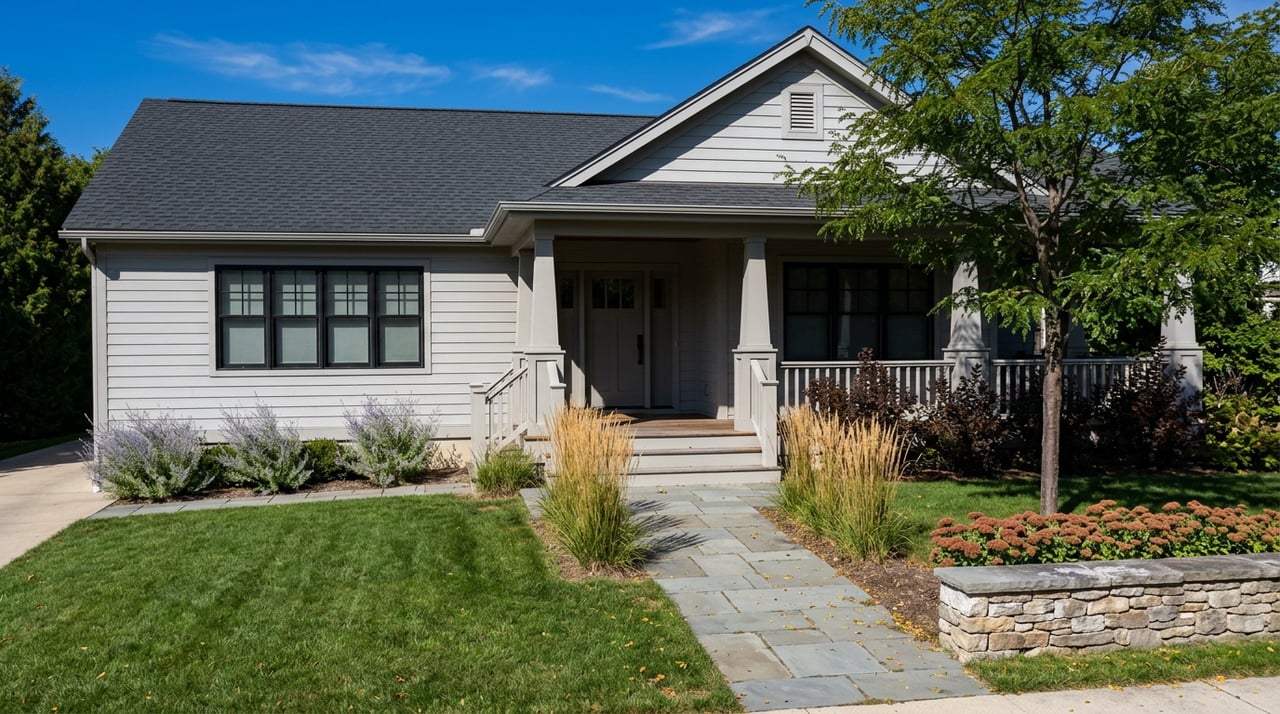
- Older single-family homes: early-to-mid 20th century bungalows and craftsman-style houses within walking distance of the core.
- Condos and lofts: low-rise buildings and adaptive reuse spaces near or above storefronts.
- Infill townhomes and small multifamily: newer options on pocket lots or nearby blocks as demand for downtown living grows.
- Adjacent neighborhoods: single-family areas close enough for short bike or walk commutes into downtown.
Price bands to verify
Instead of fixed numbers, think in tiers and verify current data with the MLS and recent market reports:
- Entry-level: compact condos, studios, or older 1–2 bedroom houses near downtown.
- Mid-range: typical single-family homes in adjacent neighborhoods and newer townhomes.
- Upper-range: renovated historic homes, premium infill, or newly built units with higher-end finishes.
Trade-offs to weigh
Walkable living often means smaller lots and less private outdoor space, but more time at cafés, galleries, and events. Some downtown addresses may not include dedicated off-street parking. If you’re considering updates to an older home, review any historic or design guidelines with the city’s planning department before you start.
Commute and transit notes
Regional connections are straightforward, with access to major highways and local transit serving the downtown core. If you rely on public transit, review route maps and hours for evenings and weekends. Cyclists should check city bike network maps for preferred streets and available bike parking.
Events and seasonality
Look for recurring art walks, summer concerts, holiday markets, and special festivals that bring extra energy to the district. Some events may close streets and create a pedestrian-first experience, which can be a bonus if you plan to stroll and sample. Always confirm dates and times as schedules shift seasonally.
Is downtown Loveland your fit?
If you value close-knit streets, independent businesses, and an easy stroll between art and eats, downtown Loveland is worth a serious look. You can experience the lifestyle in a single day and quickly see how nearby homes support it. When you are ready to match a walkable routine with the right property, you deserve a local guide who lives and works this story every day.
Ready to explore listings, tour on foot, and get a neighborhood-first strategy? Reach out to Meagan Griesel for a personalized plan.
FAQs
How walkable is downtown Loveland near 4th–6th Streets?
- The core offers short blocks, continuous sidewalks, and a dense mix of galleries, cafés, and shops that make it easy to park once and explore on foot.
What can I do in one day on foot in Loveland’s core?
- Start with coffee, browse 2–3 galleries, enjoy a casual lunch, loop past public art, then finish with dessert or small plates before heading home.
Can I live within walking distance of the downtown scene?
- Yes; options include older bungalows, low-rise condos and lofts, and newer infill townhomes on nearby blocks, all within a short walk or bike ride.
Is downtown Loveland safe and family-friendly to visit on foot?
- Plan your visit during active hours, use well-lit routes, and check local public safety dashboards and event calendars for added context.
How does parking work if I visit by car?
- Expect a mix of on-street time limits and municipal lots; read posted signs and check for any residential permit zones before you leave your car.
How much do homes cost near downtown Loveland?
- Prices vary by property type and condition; verify current ranges with MLS data and recent local market reports before you decide on timing and budget.